ACTA
Clear Control Over Access to Your Premises
Every uncontrolled entry is a security risk.
Every company has spaces it needs to protect: server rooms, archives, warehouses, cash offices. A traditional key cannot remember, record, or alert you to anything.
When access depends on keys, informal arrangements, or manual checks, there is no reliable control. There is only the hope that nothing goes wrong.
The ACTA system changes that.
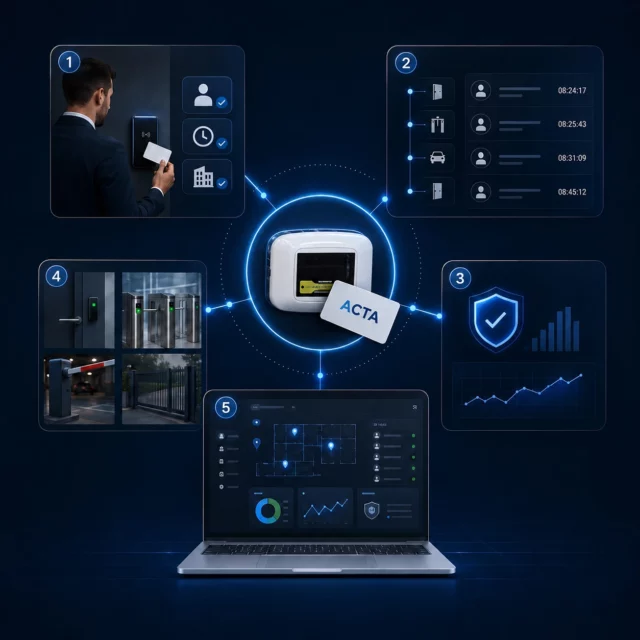
Every entry, exit, card, and access right becomes part of one organized system. Employees, visitors, service personnel, partners, and other user groups can enter only the areas they are authorized to access, at the times they are permitted to do so.
● Access for authorized users only
● 24/7 control of doors, zones, barriers, and entry points
● Records of who passed through, when, and where
Knowing who is on your premises at any given moment is not a luxury.
It is a foundation of responsible operations.
What is the ACTA System?
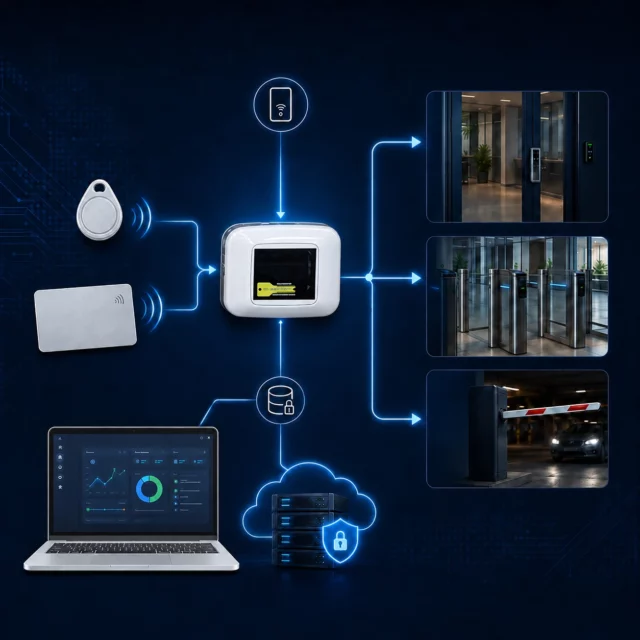
ACTA (Access Control & Time Attendance) is an access control system that connects RFID terminals, electric locks, barriers, gates, a server, and software into one solution.
In simple terms, the system determines who can enter, where they can go, and when they can go there.
You do not need to be present to maintain control. ACTA makes decisions based on the rules you set.
A user presents a card, tag, or other identification medium to a reader. The terminal checks their access rights and either grants or denies passage. If access is permitted, the door, barrier, or gate opens. If it is not, the entry point remains closed.
Every event is recorded.
Cards get lent out. Keys get copied. Doors get left open. ACTA brings control to the places where improvisation can cost the most.
What Does ACTA Enable?
1. Access Control by Location, Time, and User
Having a card is not enough. What matters is what that card is allowed to do.
ACTA lets you define access rights for each person or group by building, zone, door, location, and time period.
An employee may have access to an office but not the server room. Maintenance staff may enter certain rooms only during working hours. Visitors may be restricted to a single zone. Employee parking may remain unavailable to external users.
You set the rules. The system enforces them.
2. A Record of Every Access Event
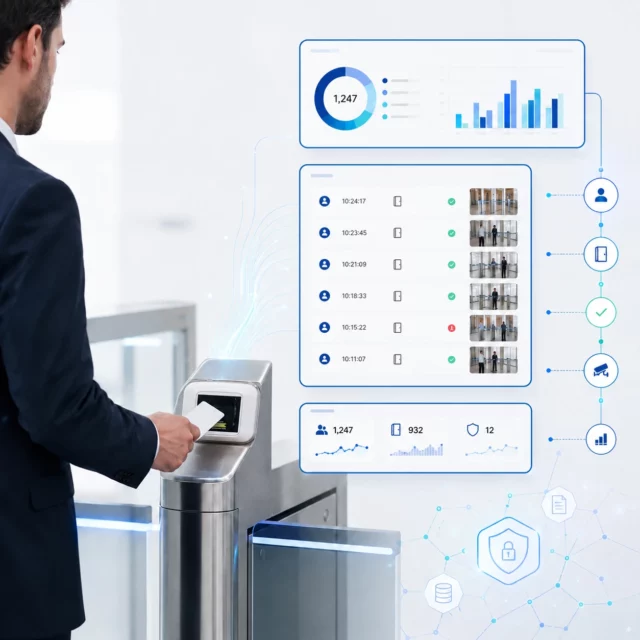
Every attempt to pass through a controlled entry point is recorded: who it was, when and where it happened, and whether access was granted or denied.
This is particularly useful for premises with multiple entrances, several shifts, large teams, sensitive areas, or a need to establish who was present at a particular time.
3. Employee Time and Attendance Tracking
ACTA is more than an access control system. It can also be used to track employee time and attendance. Presenting a card to a terminal can register the start or end of a shift, a break, or another defined event.
The recorded data can be used to monitor attendance, shift work, late arrivals, early departures, overtime, and total time spent at work.
4. Fewer Misuses, Greater Accountability
When a system clearly records access events, behavior changes.
A card is no longer just a piece of plastic. It becomes a personal identifier. That reduces opportunities for unauthorized entry, card sharing, access to restricted areas, and problems that are discovered only after the fact.
5. Integration With Locks, Gates, and Barriers
ACTA does more than manage data. It controls physical access.
The system can connect to electric locks, electromagnetic door strikes, controlled doors, vehicle gates, turnstiles, full-height barriers, and other access control devices.
If a user has permission, the entry point opens. If they do not, it stays closed.
6. Centralized System Management
The entire system is managed centrally. You can add users, change access rights, define groups, configure locations, review events, and generate reports through the software.
This matters for growing companies, organizations with multiple sites or departments, and teams where employee assignments and access rights change frequently.
For the user, access takes only seconds.
For the organization, much more happens behind the scenes.
That is the value of ACTA: users can move through the premises without having to think about the process, while you retain control over every access event.
How Does ACTA Work in Practice?
You do not need an IT team to have professional access control. You need ACTA.
1. The User Receives a Card or Other Identifier
An employee, visitor, or other authorized person is assigned an identification card or another access medium.
The system links that identifier to their details, group, access rights, and usage rules.
2. They Approach a Controlled Entry Point
This could be a building entrance, office, warehouse, server room, parking area, gate, vehicle barrier, or any other zone where access needs to be controlled.
3. The Terminal Checks Their Access Rights
The RFID terminal checks locally whether the user is permitted to pass under the predefined rules.
4. Access Is Granted or Denied
If the conditions are met, the system activates the lock, gate, or barrier. If they are not, access is denied.
5. The Event Is Recorded
Every event remains in the system and can be reviewed through reports, access history, and monitoring tools.
Who Is the ACTA System For?
ACTA is designed for any premises where access should be governed by clear rules.
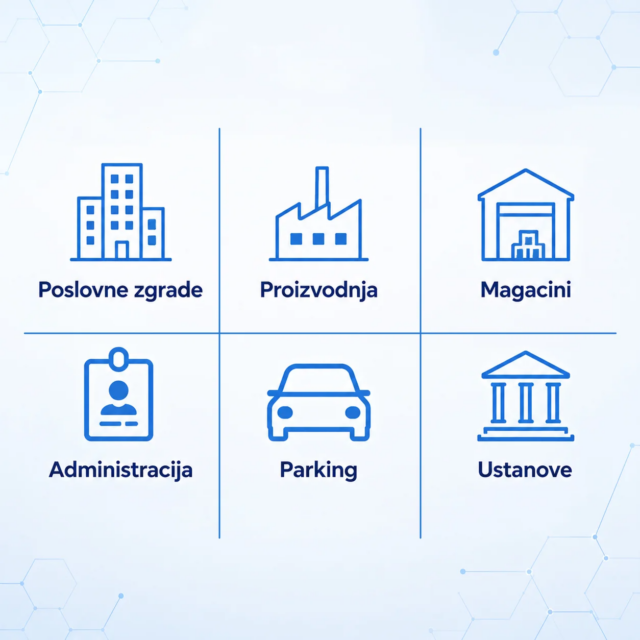
Office Buildings
Control access for employees, visitors, partners, and maintenance personnel.
Manufacturing Facilities
Define access zones for employees, shifts, technical teams, and external contractors.
Warehouses and Logistics Centers
Protect areas containing goods, equipment, documents, or valuable assets.
Administrative Buildings
Manage access to offices, archives, service counters, and internal areas.
Parking Areas and Garages
Control vehicle barriers and parking access according to the user, group, or time-based rule.
Institutions and Organizations
Assign distinct access rights to employees, visitors, service users, and external associates.
Elementi sistema kontrole pristupaWhat Are the Components of the ACTA System?
ACTA combines hardware and software components that work together to manage access.
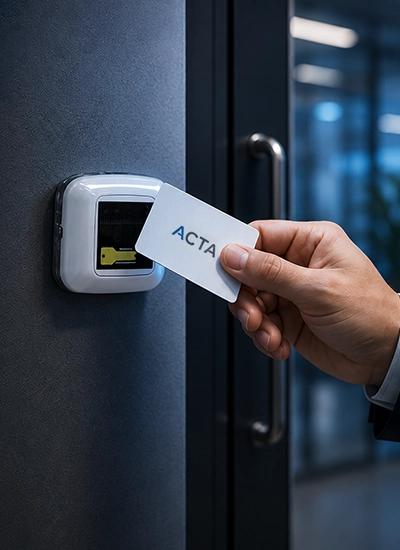
RFID Terminals
Terminals read cards, check access rights, and communicate with the system. They can operate autonomously, making access decisions based on rules stored locally.
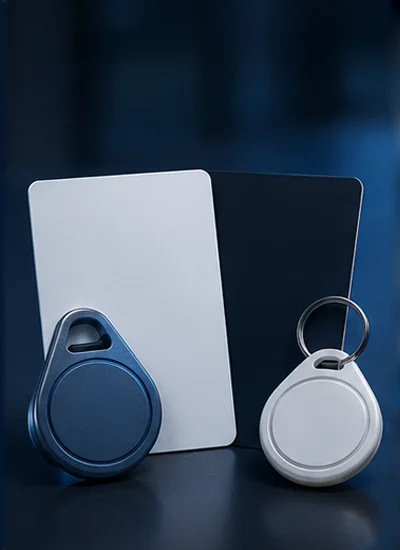
RFID Cards
Cards identify users. Each card is linked to a specific person and their access rights.
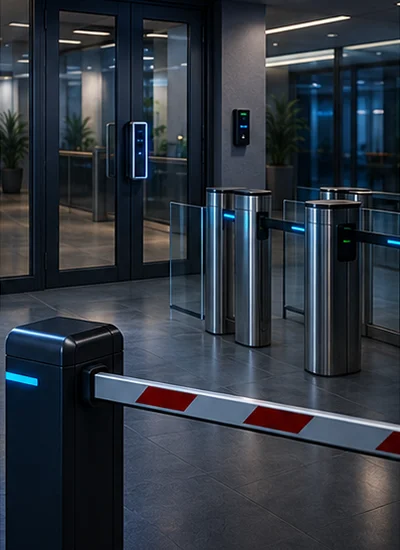
Controlled Doors, Locks, and Barriers
The system can connect to electric locks, electromagnetic door strikes, vehicle gates, turnstiles, and other devices that physically control passage.
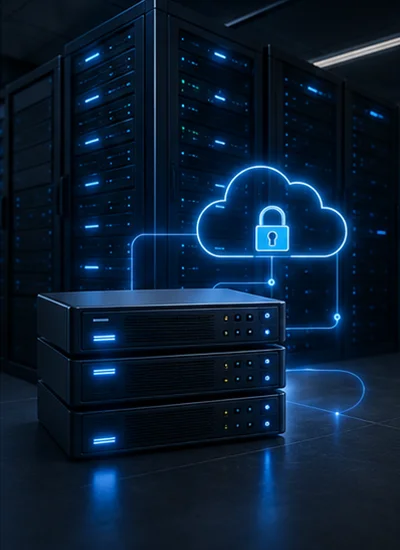
Server and Database
The central system stores user data, access rules, access history, groups, and reports.
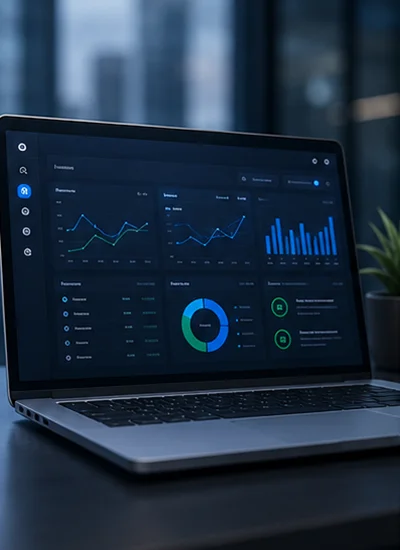
Administration Software
The software is used to manage users, access rights, locations, groups, working hours, reports, and system settings.
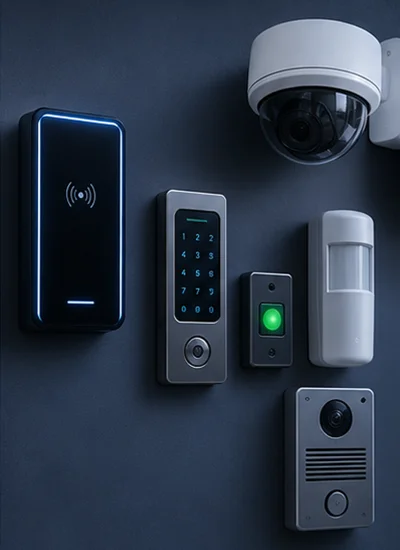
Additional devices
If necessary, IP video cameras, additional readers, front desk computers and other elements that help better control and surveillance can be connected.
ACTA System Features
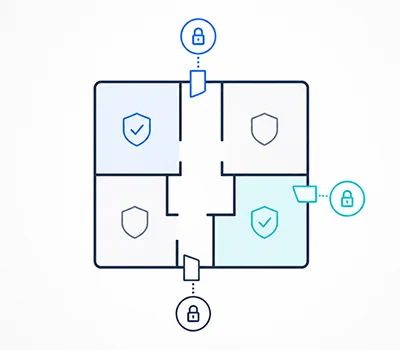
Zone-Based Access Control
A server room, executive office, or warehouse can each have its own rules. Users can enter only the areas they are authorized to access.
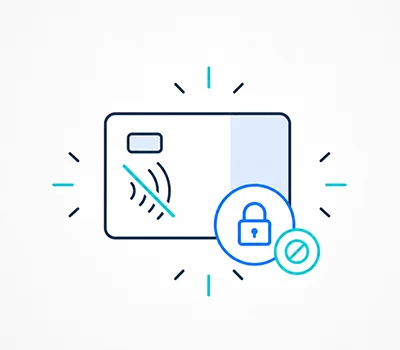
Immediate Card Deactivation
An employee leaves the company? Their card can be deactivated immediately. There is no need to replace locks. Reactivating a card is just as straightforward.
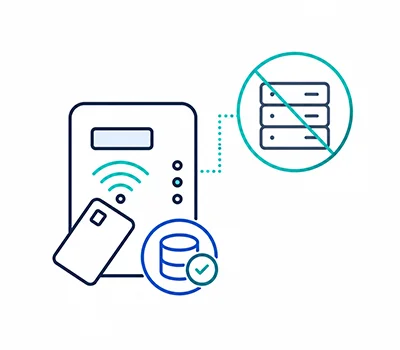
Continues Working if the Server Is Unavailable
RFID terminals store data locally and continue to operate autonomously if the connection to the server is interrupted.
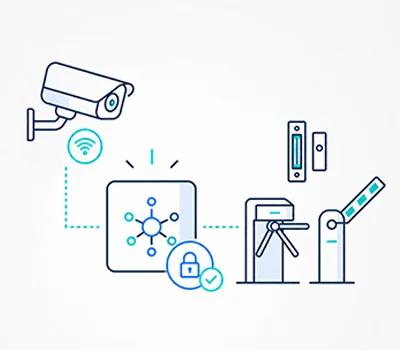
IP Cameras and Barriers
ACTA integrates with IP video surveillance, electromagnetic locks, tripod turnstiles, and motorized vehicle gates.
Access Control That Works Even When No One Is Watching
A good access control system does not create queues, complicate passage for users, or require constant staff intervention.
It simply works.
ACTA gives you an orderly entrance, clear rules, and records you can rely on.
Every unauthorized entry you fail to prevent creates a risk. ACTA helps you reduce that risk through consistent, controlled access.
Every space is different. Tell us what you need to secure, and we will recommend a suitable solution and prepare a no-obligation quote.
CP SECURITY
CP Security Group is an Access Control solutions company that includes turnstiles and gates, master key mechanical and hi-tech electronic locking systems, time attendance software, document readers, and electronic locking management for cabinets and lockers.
We are part of the Cards Print Group, a company with many years of experience and credibility in the field of identification and security.



CONTACT
CP Security group int d.o.o. - Kudeljarski nasip Prva 124g, 26000 Pančevo, Srbija